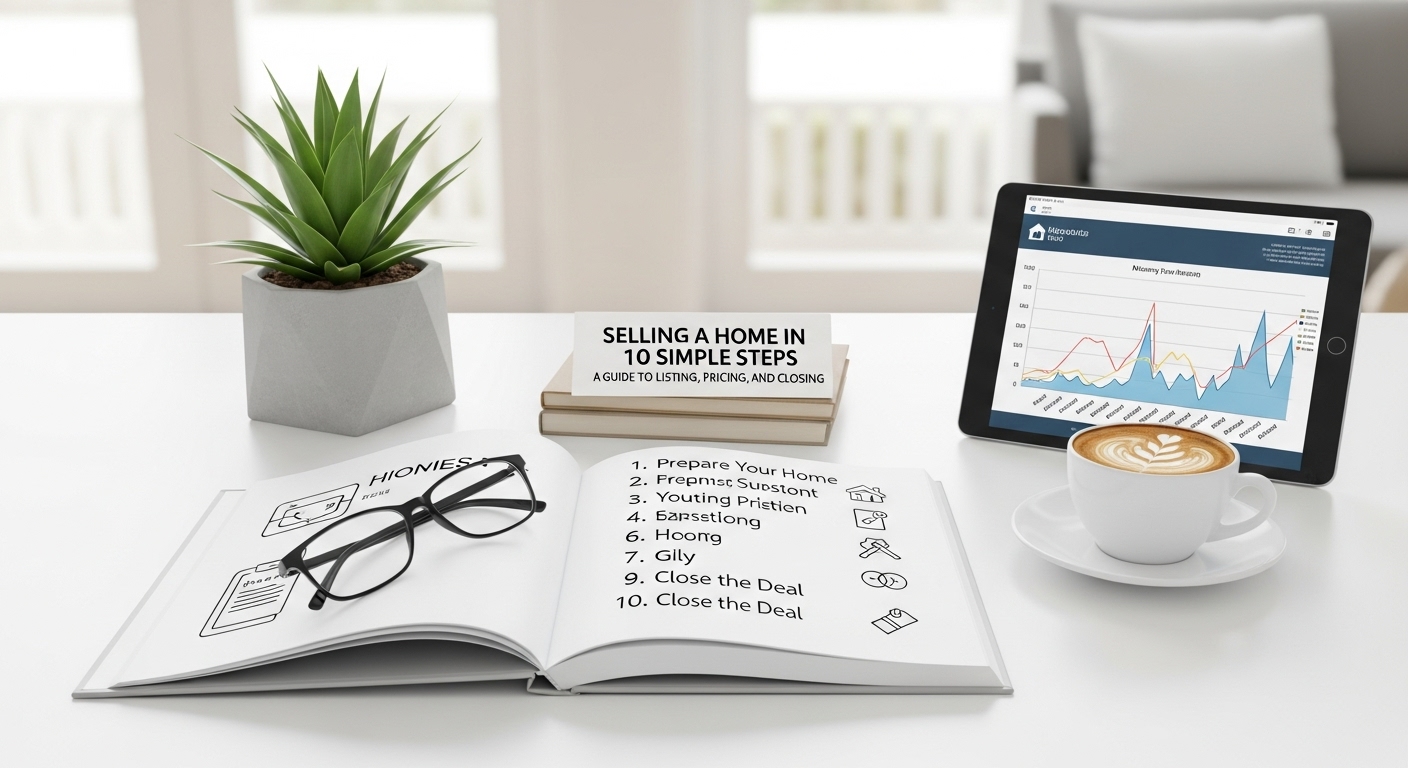
Selling a Home in 10 Simple Steps: A Guide to Listing, Pricing, and Closing
Selling a Home in 10 Simple Steps: A Guide to Listing, Pricing, and Closing
by Uriel Resendiz | February 2, 2026 | Blog, English
Selling your home involves more than just putting up a “For Sale” sign. To ensure you get the best deal, it’s essential to understand your local market, set a realistic price, and take the necessary steps to prepare for a smooth closing process. Whether you're a first-time seller or experienced, these 10 steps will guide you through the home-selling journey.
1. Set Your Timeline and Start Decluttering
Decluttering is the first step toward preparing your home for sale. The sooner you start, the better. A common recommendation is to begin this process three to six months before listing your home. This timeline allows you to go through each room methodically, organizing and sorting items into categories: keep, donate, or sell.
If you’re aiming to sell during peak season, like spring, which is typically the most competitive time to sell, it’s best to start decluttering by fall or winter. The earlier you begin, the more organized you’ll be, and the less stressful your move will be.
Pro tip: Decluttering is not just about making space for potential buyers; it's a gift to yourself, according to professional organizer Katy Wells. "Every item you let go of now is one less thing to pack and unpack later," she says. The act of decluttering can help you feel more settled in your new chapter, even before the sale is complete.
2. Interview and Hire Your Real Estate Agent
A real estate agent is your guide throughout the entire selling process. They can help determine your home’s market value, suggest effective staging techniques, and navigate offers. When selecting an agent, look for someone with local market expertise, a good track record, and referrals.
While you can choose to sell your home yourself, doing so can be more difficult and often results in a lower sale price. Homes sold with the help of an agent tend to sell for more money. According to the National Association of Realtors (NAR), the average price of homes sold with an agent was $435,000 compared to $380,000 for For-Sale-By-Owner (FSBO) properties.
3. Make Repairs and Upgrades
Once you’ve hired an agent, it’s time to make necessary repairs. Small fixes like painting walls, trimming hedges, or fixing leaky faucets can add significant value. While some sellers prefer to list their home “as-is,” it’s essential to recognize that this approach can result in lower offers, as buyers may expect a lower price due to potential repairs.
Consult with your agent to determine which repairs or upgrades are worth the investment, considering the return you may get upon resale. In many cases, simple cosmetic upgrades can make a substantial difference in the buyer’s perception of your home.
4. Set the List Price, Contingencies, and Exclusions
Pricing your home correctly is crucial. Your agent will assist you in evaluating comparable properties (comps) in your neighborhood to set a competitive price. In addition to pricing, you’ll need to decide on any contingencies—like the ability to rent back your home for a few months—or exclusions, such as keeping specific items like light fixtures or curtains.
Your agent will guide you through this process, ensuring you set a price that aligns with current market conditions and buyer demand.
5. Gather Paperwork on Past Repairs and Renovations
Buyers want to know the history of your home, including repairs, updates, and renovations. Make sure you have documentation for any major upgrades—such as HVAC, plumbing, or electrical work—and any warranties or service contracts that might transfer with the home.
If you’ve made significant improvements like adding a new roof or installing solar panels, have paperwork ready to prove the value and functionality of these upgrades.
6. Prepare for Showings and Open Houses
Before listing your home, it’s essential to prepare for showings and open houses. Staging plays a key role in making your home appealing to buyers. If you’re living in the home, staging may include using your own furniture and making small adjustments—like removing personal items and clutter.
If your home is vacant, you may want to hire a professional stager to bring in rental furniture and decor to help buyers visualize the space. Professional photography can also make a big impact in online listings, so don’t skimp on high-quality photos.
7. Consider the Offers
Once offers start coming in, it’s time to evaluate them. While the highest offer might seem the most attractive, it’s essential to consider other factors like the buyer’s financing, contingencies, and timeline.
All-cash offers are typically the most attractive because they are less likely to fall through due to financing issues. However, it’s essential to balance your financial needs with the buyer’s offer terms, ensuring that the deal aligns with your timeline and goals.
8. Prepare for Inspection
After accepting an offer, the buyer will typically schedule a home inspection. While you can’t control what the inspector will find, you can make sure that the home is prepared. This means clearing access to the attic, crawl spaces, and utility areas, and addressing any known issues before the inspection.
If the buyer requests repairs after the inspection, you may need to negotiate whether you will make repairs or offer a price reduction or credit instead.
9. Moving Out
Once you’ve accepted an offer, it’s time to prepare for the move. Start packing early, labeling boxes by room and category. This will help streamline the moving process and make your new home feel more organized from the start.
Be sure to arrange for moving services at least four to six weeks before closing. You’ll also need to contact utility companies, update your address with the postal service, and ensure that the property is ready for the final walkthrough.
10. Close the Deal
The final step is closing, where all the paperwork is signed, and ownership is transferred to the buyer. This process typically takes four to six weeks, depending on the buyer’s financing and other contingencies. On closing day, you’ll sign the deed, hand over the keys, and finalize the transaction.
Once everything is complete, you’ll receive the proceeds from the sale, minus any closing costs, fees, and outstanding mortgage balances.
Selling a home doesn’t have to be overwhelming. By following these 10 steps, from decluttering to closing, you’ll be well on your way to making a successful sale. Whether you're upgrading or downsizing, a smooth selling experience starts with careful planning and expert guidance.
Take Action
Are you ready to sell your home? Contact a real estate agent today to get started with a strategy that works for you and your timeline.
